Understanding the Baldness Spectrum
The Norwood scale for men runs from 1 (no recession) to 7 (extensive baldness with only a horseshoe of donor hair remaining). The Ludwig scale for women runs from 1 (early diffuse thinning) to 3 (advanced thinning with scalp visible). Different stages require different treatment strategies.
Early Stage Baldness Treatment (Norwood 1 to 3)
Medical Therapy
- Topical minoxidil applied twice daily slows progression and stimulates regrowth
- Oral finasteride for men blocks DHT and reduces hair loss
- Nutritional optimisation addresses any deficiency contributors
Regenerative Treatments
- PRP therapy in four to six initial sessions
- GFC Fibrin+ in three to four sessions
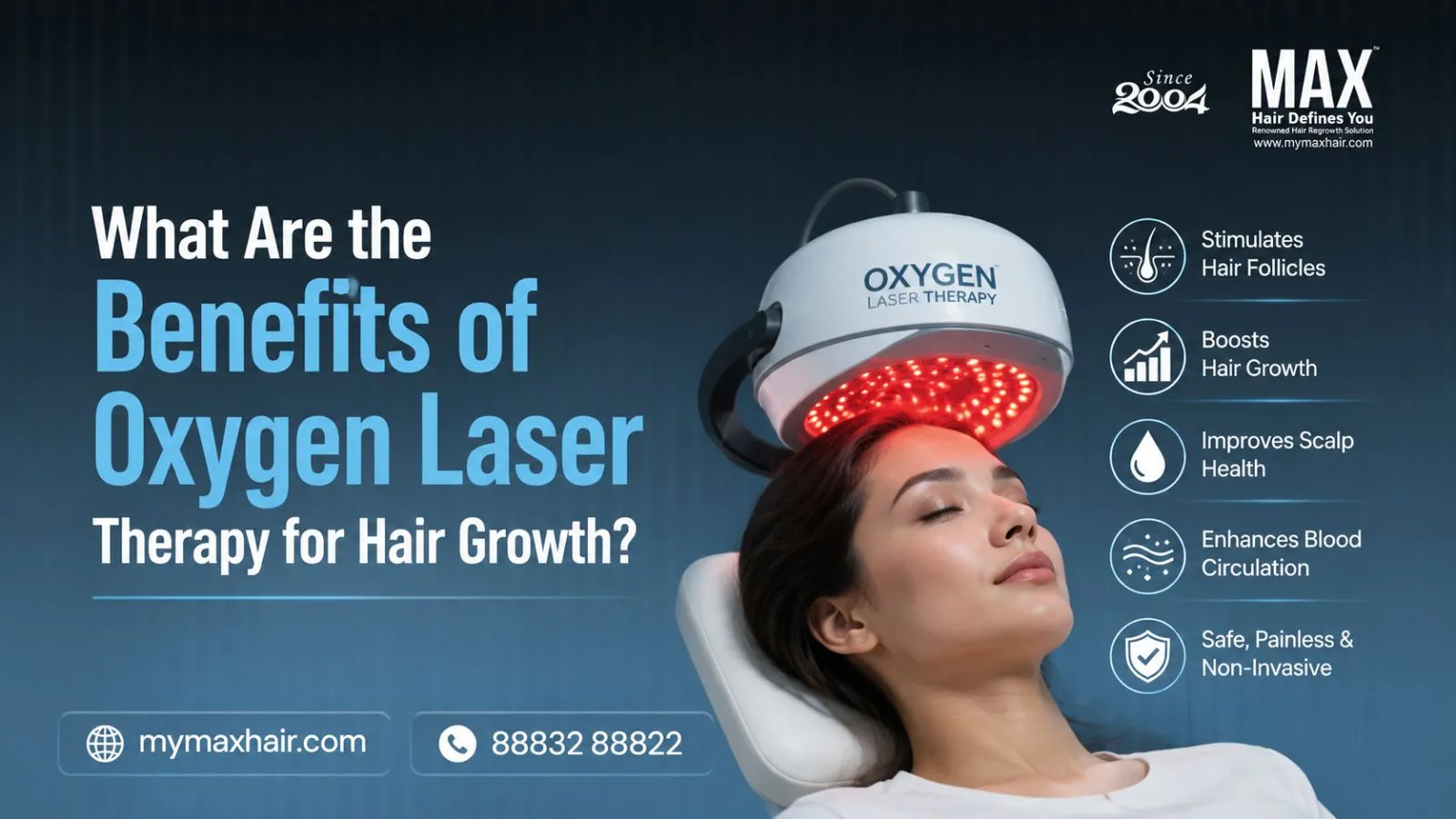
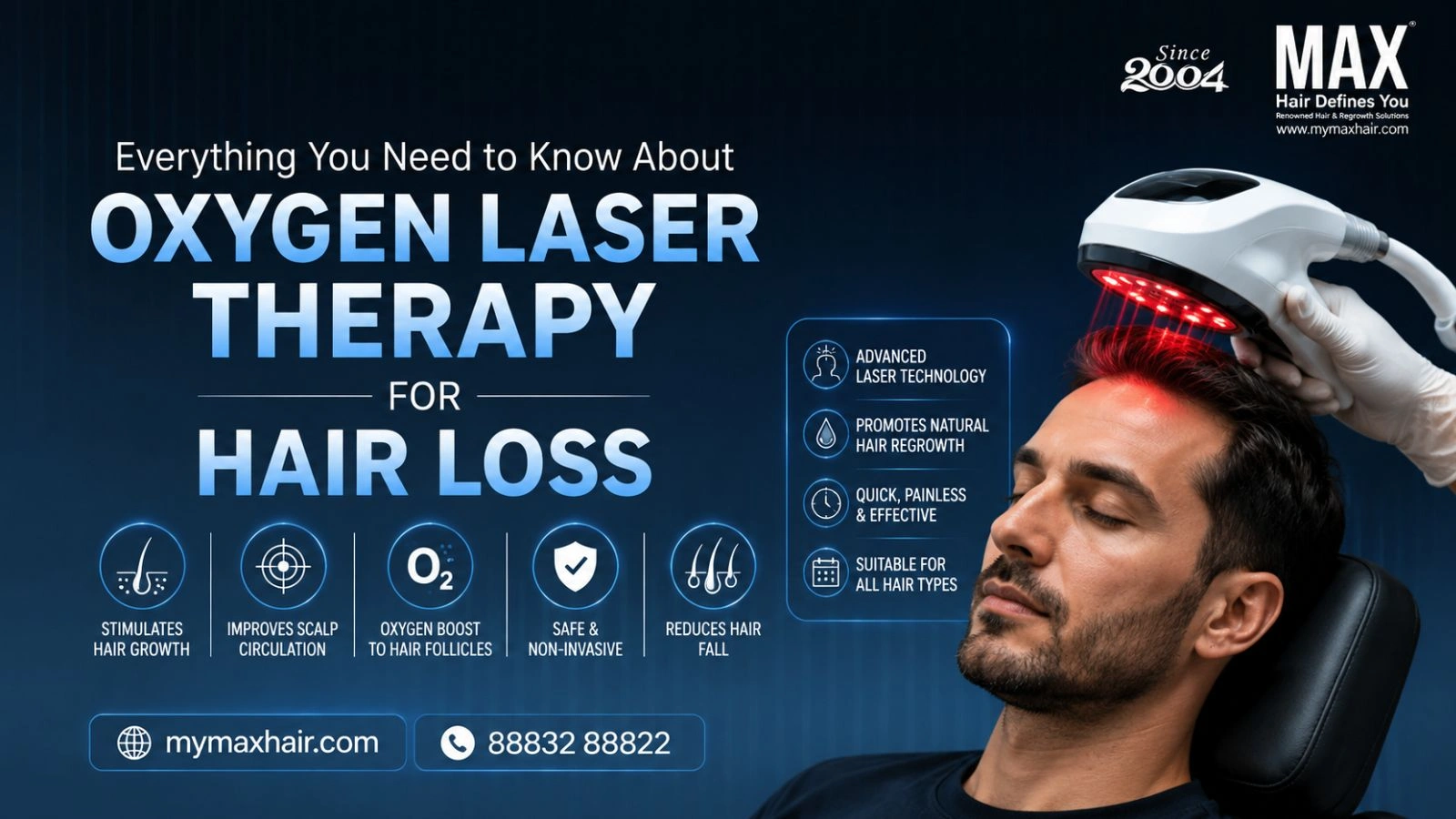
- Low-level laser therapy as adjunct support
Lifestyle Intervention
- Stress management to address telogen effluvium component
- Sleep hygiene optimisation
- Anti-inflammatory dietary patterns
Moderate Stage Baldness Treatment (Norwood 4 to 5)
Continued Medical Therapy
Minoxidil and finasteride continue throughout this stage to preserve native hair.
Surgical Restoration
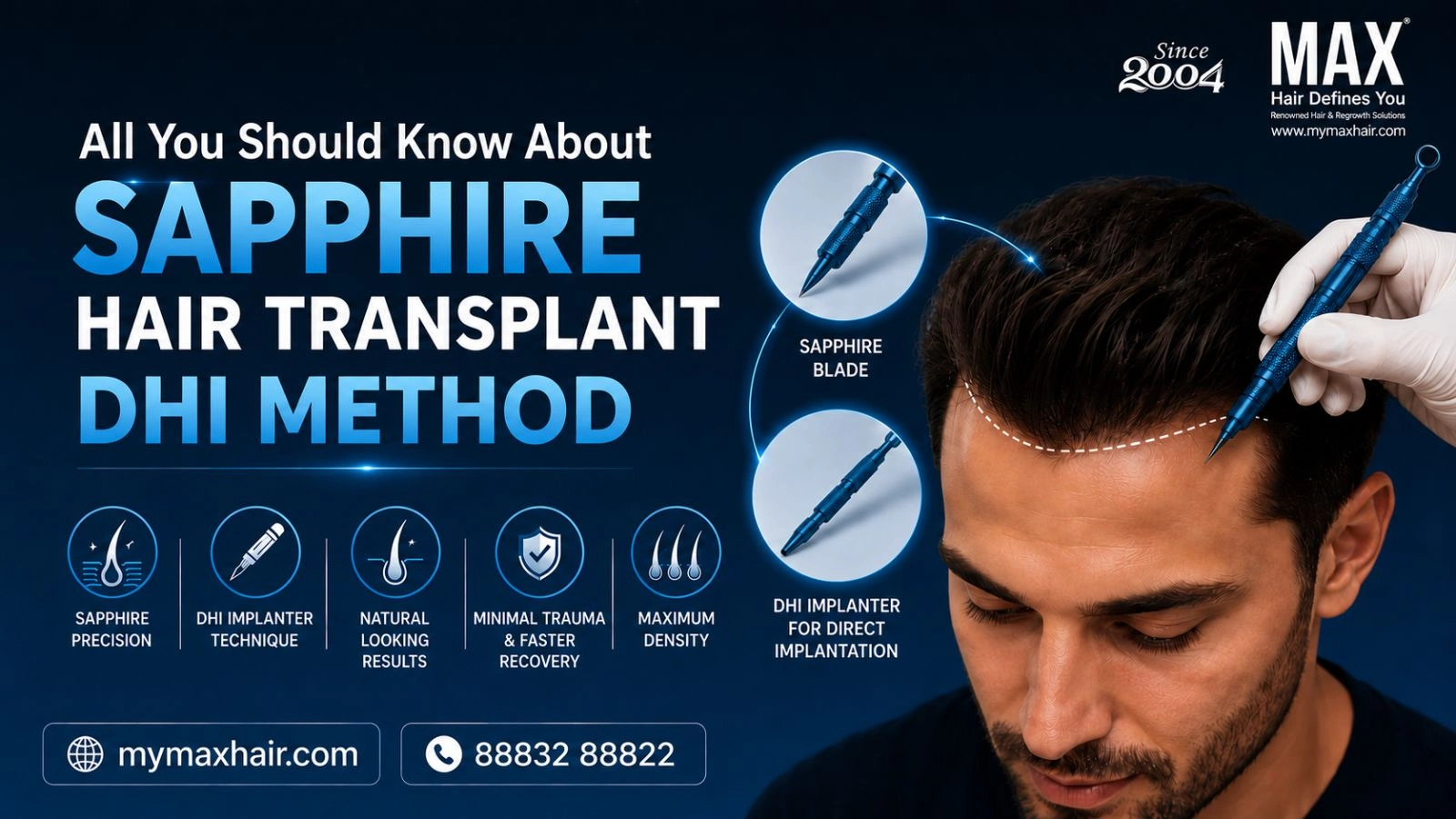
Sapphire FUE or DHI hair transplant becomes a primary consideration. 2,500 to 4,000 grafts typically restore meaningful coverage. Donor reserve still allows good surgical planning.
Regenerative Support
PRP or GFC Fibrin+ continues alongside surgical restoration to optimise outcomes.
Advanced Stage Baldness Treatment (Norwood 6 to 7)
Surgical Restoration
Larger procedures or staged interventions across two sessions. 4,000 to 6,000+ grafts may be needed for full coverage. Donor reserve management becomes critical.
Combined Approaches
FUE and DHI combined for optimal density distribution. SMP (scalp micropigmentation) may complement surgical work to create illusion of density.
Realistic Expectations
Complete restoration may not be possible at Norwood 7. The goal becomes meaningful improvement rather than full coverage.
Female Baldness Treatment
Female pattern hair loss requires different considerations. Diffuse thinning across the entire scalp makes donor management complex. Medical therapy (minoxidil, sometimes spironolactone), regenerative treatments, and selective surgical restoration form the typical protocol. Underlying hormonal evaluation is essential.
Non-Surgical Options for Severe Cases
- Scalp micropigmentation: cosmetic tattoo creating density illusion
- Hair systems: high-quality wigs and toupées for non-surgical coverage
- Cosmetic hair systems: bonded systems blending with native hair
- Combination strategies: surgical restoration plus selective non-surgical coverage
When Surgery Isn’t the Right Answer
- Insufficient donor density to support meaningful restoration
- Active progression of hair loss not yet stabilised
- Unrealistic expectations about achievable outcomes
- Reversible causes not yet addressed (nutritional, hormonal, thyroid)
- Patient age and life stage considerations
The Diagnostic Foundation
Every baldness treatment plan should start with comprehensive evaluation: detailed medical history, scalp examination with trichoscopy, Norwood or Ludwig classification, donor density assessment, and blood work to identify reversible contributors. Treatment without diagnosis is guesswork.
Building a Personalised Treatment Plan
- Identify all contributing factors to your hair loss
- Address reversible causes first
- Layer medical therapy to slow progression
- Add regenerative treatments to stimulate follicles
- Consider surgical restoration when appropriate
- Plan for long-term maintenance and progression management
The MAX Hair Clinic Coimbatore Approach
Our protocol combines diagnostic depth with treatment versatility. Comprehensive evaluation establishes your specific picture. Integrated medical, regenerative, and surgical options are recommended based on your stage and goals. Twelve months of structured follow-up ensures the plan delivers as designed. With over five lakh patients across our network and twenty-two years of clinical experience, our baldness treatment in coimbatore outcomes reflect the depth of integrated specialist care.