Hair Loss Treatment in Bangalore: Which Treatment Is Right for You?
“I didn’t even know where to start. There are so many treatments out there, and everyone online tells you something different.” A patient said this to us during her first visit, and it’s probably one of the most common feelings people have when they first start researching solutions for hair fall. Between friends’ suggestions, YouTube videos, and endless clinic ads, it’s easy to feel more confused than when you started.
The truth is, there isn’t a single “best” treatment for everyone. The right hair loss treatment in Bangalore depends on your specific hair loss pattern, stage, cause, and goals. This guide breaks it all down simply, so you can figure out what actually makes sense for you.
First, Understand What’s Causing Your Hair Loss
Before picking a treatment, it helps to understand why it’s happening in the first place:
Genetic (pattern) hair loss gradual thinning, often at the crown or hairline
Stress-related shedding sudden, diffuse thinning across the scalp
Nutritional deficiencies iron, protein, or vitamin D shortages
Scalp conditions dandruff, fungal infections, or excess oil buildup
Hormonal changes common after pregnancy, thyroid issues, or with age
A proper diagnosis at a good hair care clinic in bangalore is really the starting point for everything else. Guessing your way into a treatment often wastes both time and money.
Treatment Options Based on Your Hair Loss Stage
Stage 1: Early Thinning or Mild Hair Fall
If you’re just noticing more strands in the shower or a slightly wider parting, you’re likely in the early stages. At this point, non-surgical options usually work well:
Medicated scalp treatments topical solutions to slow down hair fall and support regrowth
Nutritional correction supplements to fix deficiencies contributing to hair loss
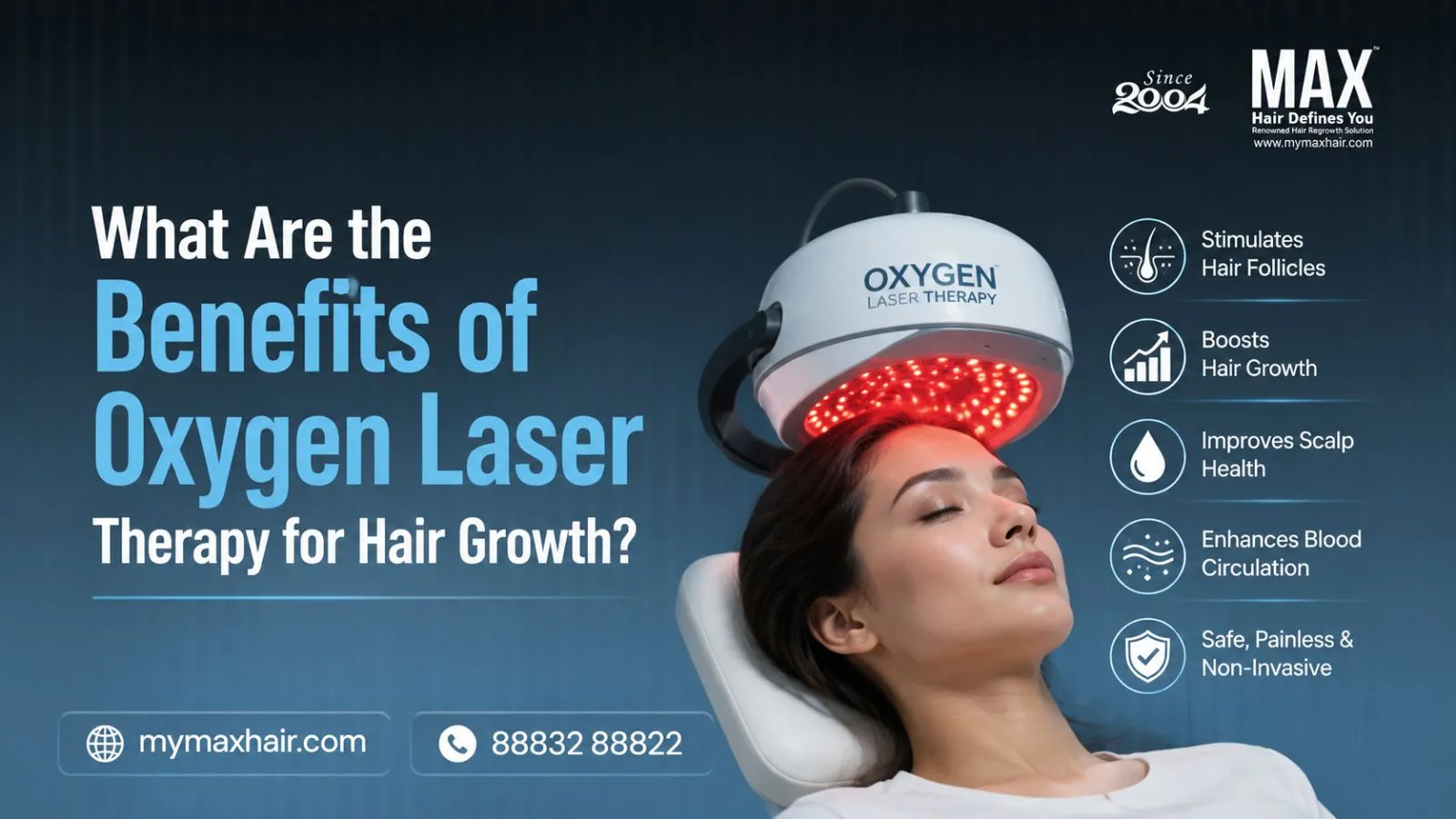
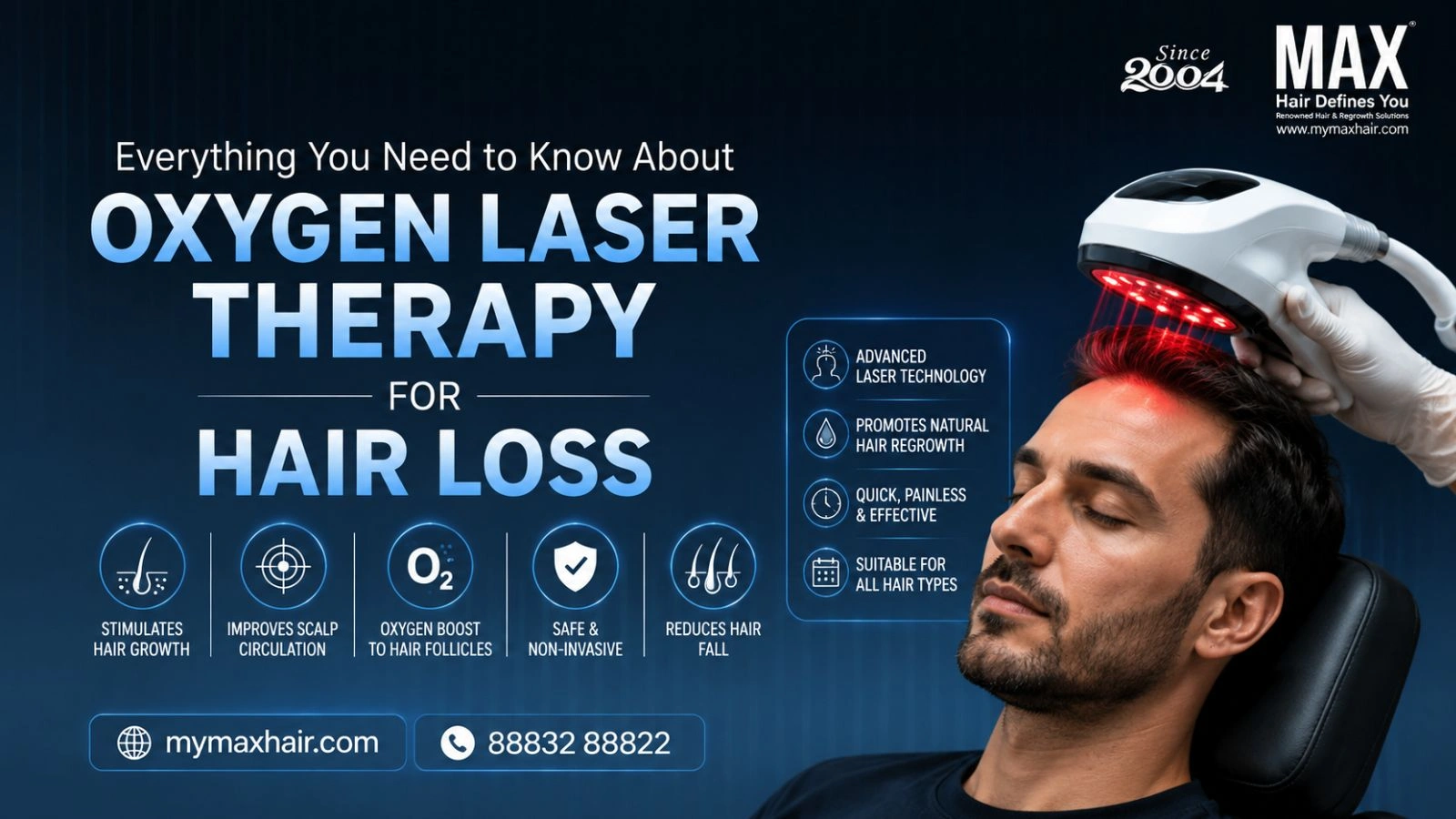
Low-Level Laser Therapy (LLLT) stimulates hair follicles without any downtime
This stage is the easiest to treat, which is exactly why early action matters so much.
Stage 2: Moderate Hair Fall or Visible Thinning
If your hairline has noticeably receded or thinning patches have become visible, you may need something a bit more targeted:
PRP (Platelet-Rich Plasma) Therapy uses your own blood plasma to stimulate natural hair growth
Mesotherapy delivers vitamins and growth factors directly into the scalp
Combination treatments often mixing medicated care with in-clinic procedures for better results
Stage 3: Significant Baldness or Advanced Pattern Loss
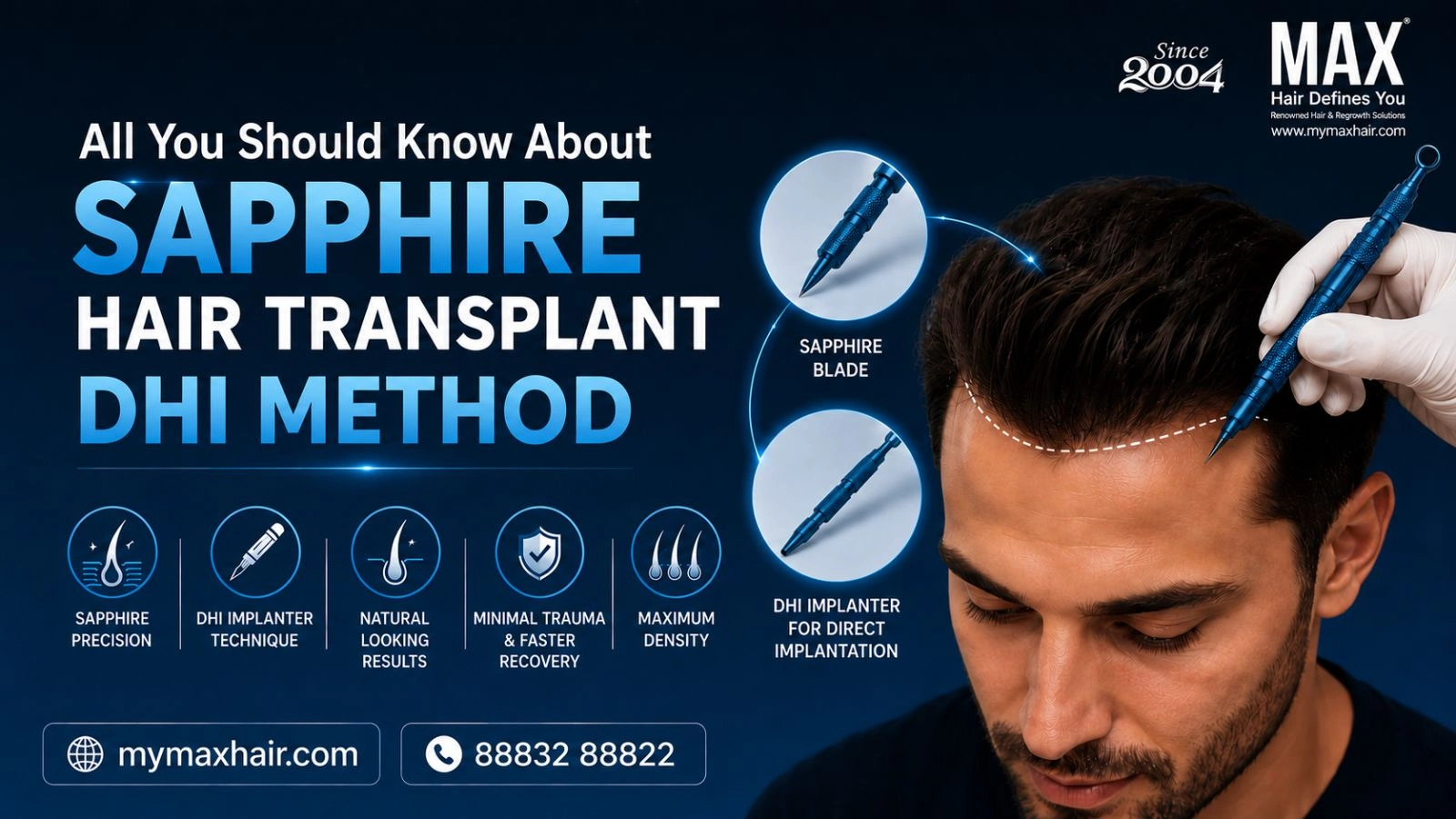
When hair loss has progressed to visible bald patches or a significantly receded hairline, a hair transplant in bangalore typically becomes the more effective, long-term solution:
FUE (Follicular Unit Extraction) minimally invasive, natural results, quicker recovery
FUT (Follicular Unit Transplantation) suited for larger areas needing coverage
At this stage, non-surgical treatments can support the results, but usually can’t fully replace the density surgery provides.
Surgical vs. Non-Surgical: A Simple Comparison
Factor
Non-Surgical Treatments
Hair Transplant
Best for
Early to moderate thinning
Significant hair loss or baldness
Downtime
Minimal to none
A few days
Results timeline
Weeks to a few months
9 to 12 months for full results
Permanence
Requires ongoing maintenance
Generally permanent
Cost pattern
Recurring
Mostly one-time
Neither option is “better” universally, it genuinely depends on where you are in your hair loss journey.
How a Good Clinic Helps You Decide
The best hair transplant clinic in bangalore won’t just push you toward surgery because it’s more profitable. A trustworthy hair treatment clinic in bangalore will:
Properly diagnose the cause and stage of your hair loss
Walk you through all suitable options, not just one
Set realistic expectations about timelines and results
Recommend the least invasive effective option first
If a clinic jumps straight to recommending an expensive procedure without a proper scalp assessment, that’s worth questioning.
What If You’re Still Not Sure?
If you’re unsure which category you fall into, that’s completely normal — this isn’t something you’re expected to self-diagnose. A simple consultation with a qualified dermatologist or trichologist can clarify your hair loss stage and point you toward the treatment that actually fits your situation, instead of a one-size-fits-all approach.
Final Thoughts
Hair loss can feel overwhelming when you’re staring at a dozen treatment options with no clear direction. But once you understand your hair loss stage and root cause, choosing the right path becomes so much simpler. Whether that means a topical treatment, PRP therapy, or a full transplant, the goal is the same, real results, without wasted time or money.
Not sure which treatment is right for you? Get a personalized recommendation from our team, no guesswork, just honest guidance, +91 95516 95516 & 1800 890 9669, The right treatment starts with understanding your hair, let’s figure it out together.
FAQ
Clear answers to help you understand treatments, safety, and expected outcomes.
This depends on your hair loss stage and scalp condition. A professional consultation with a scalp assessment is the most reliable way to determine which option suits you best.
They can significantly slow down hair fall and support regrowth in many cases, especially when started early, though results vary based on the underlying cause.